Contact Us Now
24/7/365 Emergency Service
Commercial water damage does not just create a cleanup problem. It creates an operations problem. A pipe leak, sprinkler discharge, roof leak, appliance failure, drain backup, or flooding event can interrupt business hours, affect tenants, damage inventory, shut down work areas, and create safety concerns for employees and customers.
For Spokane businesses, the goal after water damage is simple: protect people, stop the water source, limit the spread of damage, and get usable areas back online as quickly and safely as possible. Downtime is expensive. Water damage does not need help becoming more dramatic. It is already wearing a tiny villain cape.
To reduce downtime after commercial water damage, act quickly: stop the source if possible, keep people away from unsafe areas, document the damage, protect critical equipment and records, and call a commercial water damage restoration team for extraction, drying, and moisture monitoring. The faster the response, the easier it is to contain affected areas and keep more of the business functional.
If your business, office, retail space, warehouse, restaurant, or commercial property has active water damage, call (509) 646-7488 or contact ServiceMaster by Compass. Fast water extraction and drying can help limit disruption and protect the parts of your property that are still usable.
Water moves quickly through commercial buildings. It can travel under flooring, behind baseboards, through wall cavities, into shared walls, across tenant spaces, beneath equipment, and into storage areas. In multi-level buildings, water may move downward into ceilings, light fixtures, offices, and common areas.
The visible water is only part of the problem. Moisture can remain in materials after the floor looks dry, especially in carpet, padding, drywall, insulation, ceiling systems, cabinets, and subflooring. That hidden moisture can extend the length of a closure if it is not handled early.
For general commercial service information, visit Commercial Water Damage Restoration.
Commercial water damage can come from building systems, weather, plumbing, appliances, tenant activity, or maintenance issues. The most important first step is identifying the source so the water can be stopped or controlled.
A broken pipe, failed fitting, or supply line leak can release water into offices, bathrooms, break rooms, utility areas, shared walls, and storage spaces. In cold weather, frozen pipes can create sudden water damage when they thaw.
For pipe-specific guidance, read Burst Pipe Water Damage in Spokane.
Sprinkler systems can release a significant amount of water. Even when the system works as intended, the water itself can affect flooring, ceilings, inventory, equipment, and neighboring spaces. Fast extraction and drying are critical.
Roof leaks often affect ceiling systems, insulation, light fixtures, upper-level offices, and common areas. After heavy rain, wind, snow, or ice, commercial buildings may show leaks in areas that previously seemed fine.
Restaurants, offices, salons, medical spaces, schools, retail stores, and multi-tenant properties may all have appliances or fixtures that can leak. Dishwashers, refrigerators, sinks, water heaters, toilets, and specialty equipment can all create water damage.
Commercial basements and lower-level spaces may be vulnerable to foundation seepage, sump pump failure, drainage issues, or water intrusion after storms and snowmelt. These areas often store records, equipment, inventory, or supplies, which makes quick response especially important.
For lower-level water problems, see Basement Water Damage in Spokane.
When water damage happens in a commercial building, the first few decisions can affect how long the business is disrupted. Your goal is not to solve everything in five minutes. Your goal is to stop the chaos from multiplying like damp little gremlins.
Keep employees, customers, tenants, and vendors away from affected areas. Water can create slip hazards, electrical hazards, ceiling hazards, and contamination concerns. If there is any risk from electricity, sewage, or unstable materials, block access and call for professional help.
Shut off the water at the fixture, equipment connection, branch line, or main shutoff if you can do so safely. In a commercial property, make sure key staff know where shutoffs are located before an emergency happens.
For shutoff guidance, review How to Turn Off Your Main Water.
Take photos and videos of the source, affected rooms, flooring, walls, ceilings, equipment, inventory, and any visible water. Keep records of when the damage was discovered, what areas were affected, and what steps were taken.
Decide which areas matter most for operations: customer-facing spaces, production areas, records, equipment rooms, inventory, tenant access points, restrooms, or employee work areas. A restoration plan can often prioritize keeping unaffected or lightly affected areas functional when possible.
Commercial water damage usually needs more than towels, fans, and a mop bucket with heroic ambitions. Professional extraction, drying, dehumidification, and moisture monitoring help reduce disruption and confirm whether materials are actually drying.
Commercial restoration is not just about removing water. It is about managing the affected space so the business can make informed decisions about safety, access, repairs, and operations.
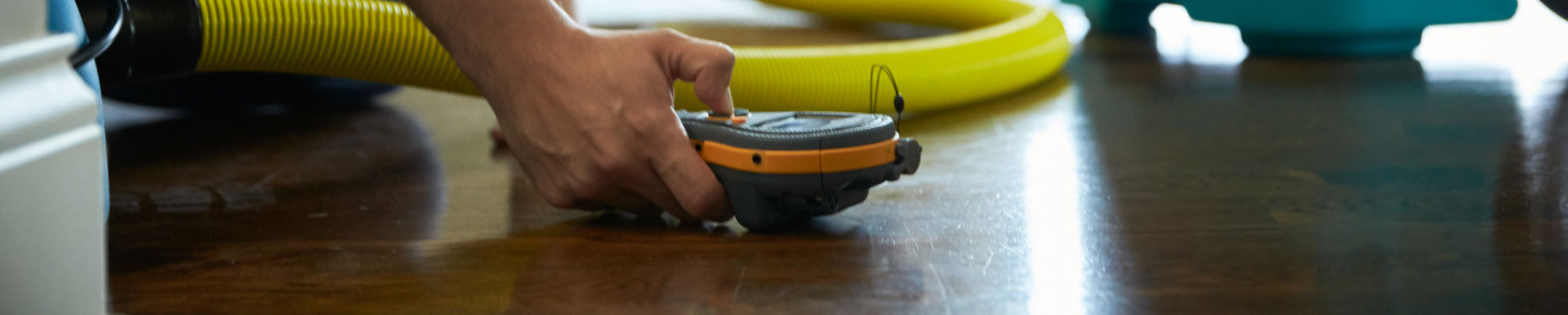
Moisture mapping helps identify where water traveled, what materials were affected, and whether moisture is hiding behind walls, under flooring, above ceilings, or inside adjoining spaces. This prevents guesswork and helps prioritize the drying plan.
Removing standing water quickly helps limit how deeply moisture moves into building materials. In commercial spaces, fast extraction can also help protect inventory, equipment, and high-traffic areas.
Air movers and dehumidifiers are used to dry affected areas. In some cases, containment or targeted drying can help separate affected work zones from areas that may remain usable.
Drying should be monitored with moisture readings so decisions are based on actual conditions, not vibes. Vibes are for playlists, not commercial property claims.
Commercial water damage often involves more than one decision maker. Building owners, tenants, managers, insurance contacts, and maintenance teams may all need updates. Clear communication helps reduce confusion and keeps the response moving.
Not every water damage event requires a full shutdown. Depending on the source, safety risks, affected materials, and building layout, some businesses may be able to isolate the damaged area and continue limited operations.
A professional restoration team can help assess the affected areas and explain what should stay closed, what may be usable, and what needs to happen before normal operations resume.
The goal is not to pretend everything is fine. The goal is to separate safe, usable areas from affected areas so the business can make smart decisions quickly.
Property managers have a special kind of water damage headache: tenants, owners, vendors, insurance, maintenance, and access logistics all start yelling at once. The best move is to create a clear record and get the response organized quickly.
A fast response helps. A frantic response can make things worse. Avoid these common mistakes after commercial water damage.
If you are unsure whether the situation requires immediate response, see When a Situation Becomes an Emergency.
The best downtime reduction plan starts before the water damage happens. A little preparation can save a lot of yelling later. Highly recommended. Very unglamorous. Tragically effective.
For more preparation guidance, read Preparing for Water Damage and What to Do Before Damage Happens.
Commercial water damage coverage depends on your policy, the cause of the damage, the type of property, and the affected materials or business losses. Sudden plumbing failures may be handled differently than long-term leaks, exterior flooding, drain backup, or maintenance-related issues.
Document the damage, preserve records, and contact your insurance provider with questions about coverage. Restoration documentation can help show affected areas, moisture conditions, drying steps, and the scope of cleanup.
Commercial water damage can be stressful, disruptive, and expensive, but fast action helps protect the property and reduce avoidable downtime. The sooner water is extracted and affected materials are dried, the sooner business owners and property managers can make clear decisions about access, repairs, and reopening.
ServiceMaster by Compass helps businesses, commercial property owners, and property managers in Spokane, Spokane Valley, Coeur d’Alene, and nearby communities respond to water damage with inspection, water extraction, drying, cleanup, and restoration support.
If water damage is disrupting your business or commercial property, call (509) 646-7488 or contact us online. We’ll help you respond quickly, limit the spread of damage, and plan the next steps toward getting your space back to work.