Contact Us Now
24/7/365 Emergency Service
When it comes to water and fire damage, the most affordable and least stressful restoration job is the one that never has to happen. At ServiceMaster by Compass, we see every day how quickly a small leak or a forgotten pan on the stove can turn into major damage. That's why we're just as committed to prevention and safety as we are to restoration.
This Safety & Prevention guide is designed for Spokane and North Idaho homeowners who want clear, practical steps to reduce the risk of water and fire damage. We'll walk you through common causes of damage in our region, simple DIY checks you can do in under an hour, and when it's time to call in a professional. Think of it as a game plan to protect your home, your belongings, and your peace of mind.
Between winter freezes, aging plumbing, and basements that like to collect moisture, water damage is one of the most common issues we're called out to handle. The challenge with water is that it doesn't just "get things wet"—it seeps into building materials, weakens structures, and creates the perfect environment for mold growth if it's not addressed quickly and correctly.
The most frequent sources of water damage we see include:
The good news? Most of these issues give you small warning signs before they turn into full-blown disasters. The key is knowing where to look—and what not to ignore.
If you're seeing these signs now, you may already have an active leak or moisture issue. That's the time to act—before mold and structural damage complicate the situation.
You don't have to overhaul your whole house to reduce water damage risk. A few targeted habits and seasonal checks go a long way. Here are some of the most effective prevention steps you can take as a homeowner:
Smart leak detectors and automatic shutoff valves are becoming more affordable and can dramatically reduce the amount of damage from a leak. Strategically placed, they act like round-the-clock lookouts in the highest-risk areas of your home.
Already discovered standing water or a spreading leak? Shut off the water if it's safe to do so and call ServiceMaster by Compass at (509) 535-5440 for 24/7 emergency water mitigation.
Our cold winters are tough on plumbing systems—especially in unheated crawlspaces, garages, and exterior walls. When water freezes inside a pipe, it expands and can cause the pipe to crack or burst, sending gallons of water into your home once it thaws.
Before the first hard freeze, walk through your home and:
If you turn on a faucet and only get a trickle during cold weather, you may have a frozen section of pipe. Turn off the water, avoid using open flames to thaw anything, and consider contacting a professional before the pipe fails.
Fire safety at home comes down to three main layers working together:
Working smoke alarms cut the risk of dying in a home fire significantly. But they only help if they're installed correctly and maintained.
A fire extinguisher can be invaluable for small, contained fires— but you need the right type, in the right place, and you should never put yourself at risk to save property.
If a fire is spreading quickly, producing heavy smoke, or blocking your exit, do not attempt to fight it. Evacuate immediately and call 911.
Cooking is one of the leading causes of home fires. The most common culprit? Unattended cooking on the stovetop.
Older wiring, overloaded circuits, and space heaters can all become fire hazards if not used carefully.
During wildfire season, ember showers and poor air quality add a new layer of risk, even if the flames are miles away.
As a local restoration company, we don't just show up after something goes wrong—we also help homeowners spot risks before they turn into emergencies. Our team can walk your home with a restoration-focused eye and point out:
From there, we can recommend practical upgrades, maintenance routines, and, when needed, professional services to help you lower your overall risk.
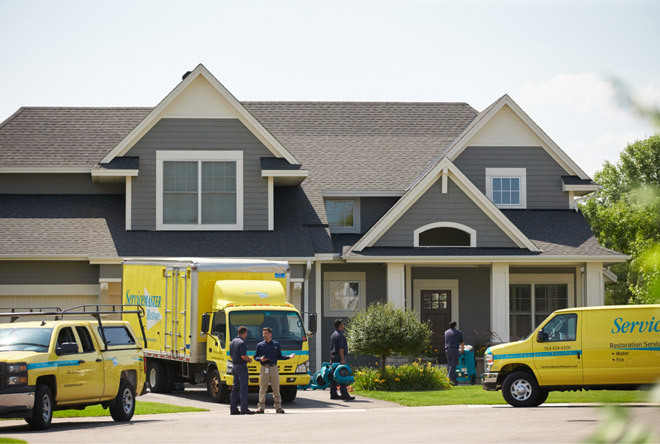
Even with great prevention, accidents and unexpected failures can still happen. When they do, fast, professional mitigation makes a huge difference in how much the loss ultimately costs and how long you're displaced from your home.
Our technicians follow industry-standard procedures to help minimize secondary damage and protect as much of your home and belongings as possible.
Insurance paperwork and adjuster visits can feel overwhelming, especially when you're already dealing with a stressful event. ServiceMaster by Compass can help document the damage, explain recommended mitigation steps, and provide the information your insurance carrier needs to process your claim.
While we don't decide what your policy will cover, we do work to make the process clearer and less overwhelming so you can focus on getting life back to normal.
Test smoke detectors once a month and note the date somewhere simple, like your phone or a home maintenance checklist. Replace the batteries at least once a year, and replace the units themselves according to the manufacturer's guidelines, or any time they fail a test or show signs of malfunction.
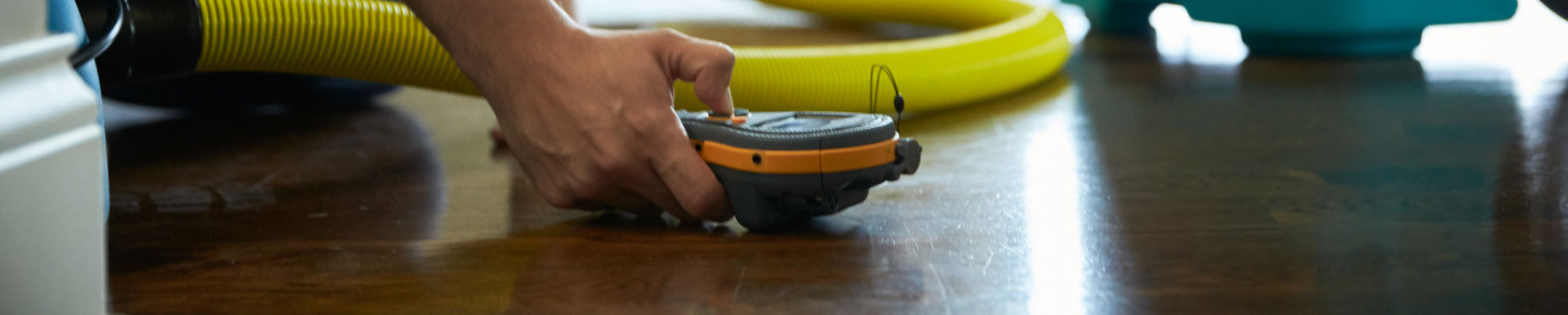
Under the right conditions, mold can begin to grow within 24–48 hours of a water intrusion. That's why it's critical to start drying and dehumidifying as soon as possible after a leak, overflow, or flood—especially in basements and other low-vented areas. If you see visible mold, smell a persistent musty odor, or have a large affected area, it's time to bring in professionals.
DIY is great for small, early-stage issues—like tightening a loose fitting or cleaning out gutters. Call a professional when:
In those situations, having trained, certified technicians on your side helps protect both your home and your health.
Whether you're just starting to think about prevention or you're dealing with an active water or fire emergency, ServiceMaster by Compass is here to help you plan, prepare, and recover with confidence.