

Signs of Hidden Water Damage That Should Never Be Ignored
HIDDEN WATER DAMAGE WARNING SIGNS FOR SPOKANE & NORTH IDAHO
How to Spot Problems Early and Prevent Expensive Repairs
Hidden water damage is the worst kind of home problem because it doesn’t announce itself politely. It sits behind walls, under floors, or above ceilings quietly causing damage until one day your paint bubbles, your floor feels spongy, or your house starts smelling like a damp basement even when you don’t have a basement.
The good news is that hidden water damage usually leaves clues. This guide covers the signs you should never ignore, how to detect leaks early, where to look, and when it’s time to call in professionals before the situation becomes a major restoration project.
Suspect hidden water damage? Call (509) 535-5440 for inspection and water damage mitigation in Spokane and North Idaho.
COMMON SIGNS OF HIDDEN WATER DAMAGE IN HOMES
Odors, Stains, and Surface Changes That Point to Moisture
Hidden moisture problems tend to show up in patterns: unusual smells, discoloration, and changes to finishes or materials. If something feels “off,” it’s worth investigating early.
How a musty smell can indicate hidden water damage
A persistent musty odor often points to mold or mildew growth. Mold thrives in damp environments and can develop when moisture is trapped behind walls, under sinks, in basements, crawl spaces, or attic spaces. If the smell doesn’t go away with normal cleaning, treat it like a warning light—not a candle situation.
What water stains on ceilings and walls reveal about leaks
Stains on ceilings or walls usually mean water has traveled through building materials. These stains can look yellow, brown, rusty, or like an uneven “shadow” spot that keeps returning after you paint over it. The key point: staining often indicates the leak has been happening for a while.
- Look for discoloration rings, streaking, or spots that grow over time.
- Check areas below bathrooms, laundry rooms, kitchens, and rooflines.
- If stains feel soft or damp, avoid poking at them because wet drywall can collapse.
HOW TO DETECT HIDDEN WATER LEAKS EARLY
DIY Checks That Catch Problems Before They Get Expensive
You don’t need fancy equipment to notice early warning signs. Simple observation plus a few quick tests can help you catch leaks long before the damage becomes obvious.
Effective DIY methods to find hidden water leaks
- Watch your water bill: Unexpected increases may indicate a leak.
- Inspect around appliances: Check washing machines, dishwashers, refrigerators, and water heaters.
- Check under sinks: Look for warped cabinet bottoms, dampness, or corrosion.
- Use a moisture meter: Helpful for confirming damp areas in walls or floors.
How to use a water meter test and visual inspections
A water meter test can reveal leaks you can’t see. Turn off all water sources in the home, note the meter reading, then check it again a few hours later. If the reading changes, there may be a leak somewhere in the system.
Pair that with visual inspection in common trouble zones like basements, crawl spaces, attics, around windows, and under plumbing fixtures.
If you’re seeing fast-spreading staining, active dripping, or sagging drywall, treat it as urgent. If you need a quick plan, start with what to do in the first 24 hours after water damage.
VISIBLE SIGNS THAT OFTEN MEAN HIDDEN MOISTURE
Paint, Wallpaper, Floors, and Surfaces Give It Away
Why peeling paint or bubbling wallpaper indicates moisture issues
Paint and wallpaper lose adhesion when moisture builds behind the surface. You might notice bubbling, peeling, cracking, or a soft “puffy” texture. These are surface symptoms of a deeper moisture problem, and repainting without fixing the cause won’t solve it.
How warped floors and soft spots reflect structural water damage
Warped flooring can happen when wood absorbs moisture and swells. Soft spots may indicate the subfloor has been compromised from prolonged exposure to water. If floors feel spongy, uneven, or suddenly creak in a new area, it’s worth investigating quickly.
- Watch for floorboards lifting, curling edges, or changes in height between rooms.
- Pay attention to soft areas near bathrooms, kitchens, and entry points.
- Persistent dampness under flooring can lead to mold and rot.
WHERE HIDDEN WATER DAMAGE IS MOST COMMON
High-Risk Areas Homeowners Should Check Often
Why basements, crawl spaces, and attics are prone to hidden water damage
These areas are vulnerable because they often have limited ventilation and can trap moisture. Plumbing lines, roof leaks, and condensation can also build up without being immediately noticed. Moisture in these spaces can quietly spread into framing and insulation.
How to inspect bathrooms, kitchens, and ceilings for subtle signs
- Look under sinks and around supply lines for corrosion, dampness, or warped cabinetry.
- Check around toilets for moisture at the base and behind the tank.
- Inspect ceilings below bathrooms and laundry areas for staining or bubbling paint.
- Watch for caulk failure around tubs, showers, and backsplashes.
RISKS OF IGNORING HIDDEN WATER DAMAGE
Health, Structural, and Financial Consequences
How hidden water damage can lead to mold growth and health issues
Moisture that stays trapped creates ideal conditions for mold. Mold can trigger allergic reactions and respiratory issues, especially for kids, older adults, and anyone with asthma or compromised immune systems. If you smell mustiness or see spotting that returns, it’s time to act.
Structural and financial damage from delayed repairs
When water damage is ignored, it can weaken framing, rot wood, compromise drywall and insulation, and reduce the overall safety and value of your home. Delays can also increase repair scope, complicate insurance claims, and result in more disruptive work.
If something seems “small” but keeps coming back—stains, mustiness, bubbling paint—call (509) 535-5440 and get it checked before it becomes a major restoration.
WHEN TO CALL A PROFESSIONAL FOR HIDDEN WATER DAMAGE
Tools and Expertise That Find What Homeowners Can’t See
If you suspect hidden water damage but can’t confirm the source, professionals can locate moisture and map the spread using tools designed for detection—not guesswork.
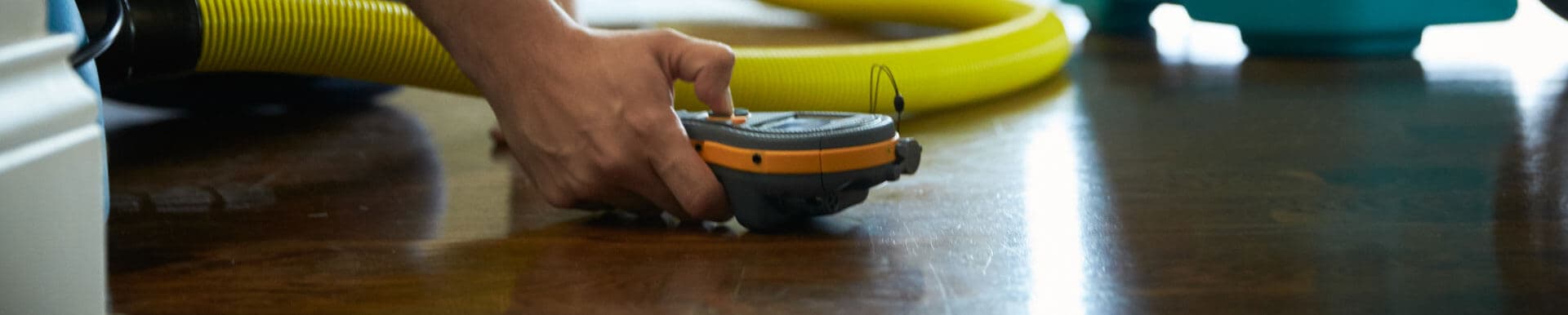
Advanced tools experts use to detect hidden water damage
- Moisture meters to measure moisture content in materials.
- Thermal imaging cameras to identify temperature differences that indicate damp areas.
- Infrared technology to pinpoint hidden moisture paths and affected zones.
How professional restoration prevents further home damage
A professional team can assess the situation, remove water, dry the structure properly, and prevent secondary damage like mold. That includes monitoring moisture levels over time to ensure the area is truly dry—not just “looks dry.”
If you’re worried about hidden water damage in your home, ServiceMaster by Compass can help you identify the problem, reduce risk, and restore your property safely.
Need help now? Call (509) 535-5440 or contact us online.