Safe Sewer Backup Protocols for Your Home
SEWER BACKUP PREVENTION, SAFETY & CLEANUP IN SPOKANE
What To Do Before, During, and After a Sewer Backup
Few things turn a good day upside down faster than discovering sewage backing up into your home. It's messy, it's overwhelming, and it's a serious health risk. At ServiceMaster by Compass, we respond to sewer backups across Spokane and North Idaho all the time—and we know most homeowners aren't just worried about the mess. They're worried about safety, long-term damage, and whether their home will ever feel normal again.
This guide walks you through safe sewer backup protocols: how to reduce your risk, what to do the moment you see sewage, what proper cleanup really involves, and when to call in professionals. You'll also learn how sewer backups affect your health and which prevention steps give you the best protection going forward.
Sewage in your home right now? Call (509) 535-5440 for 24/7 emergency sewer backup cleanup in Spokane and North Idaho.
UNDERSTANDING SEWER BACKUPS
What Is a Sewer Backup and Why Does It Happen?
A sewer backup happens when wastewater can't flow properly away from your home and instead reverses direction, coming up through floor drains, toilets, tubs, or lower-level fixtures. This is considered Category 3 “black water”—the highest contamination level—because it can contain bacteria, viruses, parasites, and chemicals.
Common causes we see in Spokane-area homes include:
- Grease buildup: Cooking oils and fats poured down the sink cool, harden, and narrow the pipe over time.
- Tree root intrusion: Roots find tiny cracks in older sewer lines and grow inside, blocking flow.
- Non-flushable items: Wipes, sanitary products, and other solids get stuck and trap debris.
- Stormwater overload: Heavy rain or snowmelt can overwhelm municipal lines and push sewage backward.
- Aging or damaged pipes: Cracked, offset, or collapsed lines reduce capacity and increase backup risk.
Understanding what's likely causing your backup helps decide whether you're dealing with a one-time blockage or a bigger problem that calls for inspection, repair, or device installation.
Early Warning Signs You Shouldn't Ignore
Sewer backups are sometimes sudden—but often there are small clues first. Call a plumber or restoration pro if you notice:
- Gurgling toilets or floor drains when you use water elsewhere in the house
- Slow drains throughout the home, not just one sink or tub
- Sewage odors near floor drains, in the basement, or around lower-level bathrooms
- Backed-up water or residue around floor drains after heavy rain
- A history of previous backups in the same area
Catching these signs early gives you a chance to clean and inspect lines before a full-scale backup floods your basement or lower level.
WHAT TO DO DURING A SEWER BACKUP EMERGENCY
Immediate Safety Steps When Sewage Appears
If you see sewage coming up through a drain, toilet, or tub, your first priority is safety—not cleaning. Sewage carries harmful germs, and standing water combined with electricity is dangerous. Follow these steps as long as they can be done safely:
- Stop using water in the home. Avoid flushing toilets, running sinks, or using the washing machine or dishwasher.
- Keep people and pets away. Do not let children or pets enter the contaminated area.
- Shut off water supply if needed. Use your home's main water shutoff to limit additional inflow.
- Turn off electricity to affected areas. If water is near outlets or appliances, switch off breakers to that area. If you cannot reach the panel safely, stay out and wait for help.
- Start documentation. Take photos and short videos of the damage from a safe distance.
If you're unsure whether it's safe to enter the area, don't risk it. Evacuate the space and call ServiceMaster by Compass at (509) 535-5440 for guidance and emergency response.
Protective Gear for Brief, Essential Tasks
If you must enter a mildly affected area for an urgent reason, for example to shut off a valve, and it is safe from an electrical standpoint, use basic protective gear:
- Rubber or nitrile gloves
- Waterproof boots that cover your ankles
- Eye protection
- A properly fitted mask or respirator, such as an N95, in spaces with splashing or potential aerosols
Once you're done, remove gear carefully, dispose of single-use items, and wash your hands and any exposed skin thoroughly with soap and water.
When to Call Professional Sewer Backup Cleanup Services
Because sewer backups involve Category 3 black water, professional cleanup is recommended in almost every case—especially when:
- Standing sewage covers more than a very small, isolated area
- The backup lasts more than a short time or keeps recurring
- Vulnerable occupants, including children, elderly people, pregnant people, or immunocompromised individuals, live in the home
- Sewage has reached porous building materials like carpet, drywall, or insulation
- You're unsure about safety or how far the damage extends
When you call, be ready to share your address, when the backup started, how far it has spread, and whether utilities are shut off. That helps our team arrive with the right crew, gear, and equipment.
SAFE CLEANUP & DISINFECTION
Why Sewer Backups Are Treated as “Black Water”
Not all water damage is equal. Clean water from a broken supply line is very different from a sewer backup that contains waste. Category 3 black water:
- Contains bacteria, viruses, and parasites that can cause serious illness
- Can carry chemicals and contaminants from streets, yards, or industrial sources
- Soaks into porous materials, making them almost impossible to disinfect completely
Because of this, professional equipment, disinfectants, and protective gear are used to keep people safe and make sure your home is actually clean—not just “looks better.”
How Professional Sewer Backup Cleanup Works
While every job is a little different, our general process at ServiceMaster by Compass follows a clear, step-by-step protocol:
- Inspection & safety check: We identify where the sewage has traveled, check for structural or electrical hazards, and document the damage.
- Containment: We isolate affected areas to prevent contaminants from spreading to clean rooms.
- Extraction: Standing sewage and contaminated water are pumped out using professional equipment.
- Removal of non-salvageable materials: Contaminated carpet, padding, insulation, and drywall are removed and bagged.
- Cleaning & disinfection: Hard surfaces are cleaned and treated with appropriate disinfectants.
- Drying & dehumidification: Air movers and dehumidifiers run until moisture levels are back in a safe range.
- Verification & planning repairs: We confirm drying goals are met and discuss any needed reconstruction.
The goal is not just to remove visible sewage, but to restore a healthy environment and protect your home from lingering moisture and mold.
Handling Contaminated Materials and Preventing Mold
Porous materials that have absorbed sewage are rarely safe to keep. In most sewer backup projects, the following are removed:
- Carpet and padding in affected areas
- Portions of drywall and insulation that contacted sewage
- Upholstered furniture and mattresses that were saturated
These materials are typically double-bagged, sealed, and disposed of according to local guidelines. Hard, non-porous items—like metal, plastic, and some finished wood—can often be cleaned and disinfected.
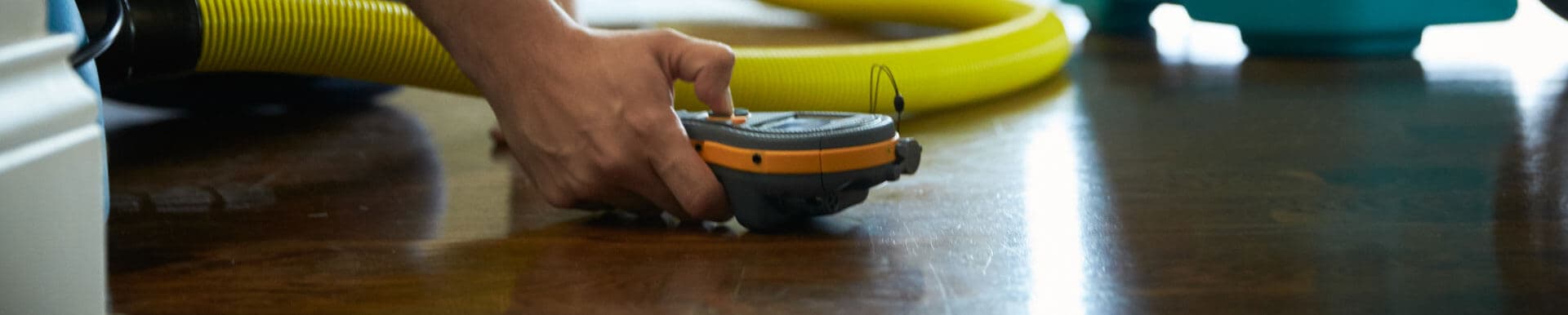
Fast, thorough drying is essential. Mold can begin to grow within 24–48 hours after moisture hits building materials. Our team uses moisture meters and thermal imaging to help verify that hidden materials are dry and that mold risk is minimized.
HEALTH RISKS OF SEWER BACKUP EXPOSURE
Germs Commonly Found in Sewage
Sewage can carry a mix of bacteria, viruses, and parasites. Some of the more common organisms associated with sewer backups include:
- Pathogenic E. coli and Salmonella: Can cause diarrhea, vomiting, and abdominal pain.
- Norovirus: Extremely contagious; often causes sudden nausea, vomiting, and stomach cramps.
- Hepatitis A: A viral infection that affects the liver and can cause fatigue and jaundice.
- Giardia and Cryptosporidium: Parasites that can cause prolonged gastrointestinal illness.
This is why raw sewage is treated as a serious health event, not just a “dirty water” situation.
Symptoms to Watch For After Possible Exposure
If you, a family member, or a tenant has been around a sewer backup, watch for symptoms such as:
- Nausea, vomiting, or diarrhea
- Stomach cramps or abdominal pain
- Fever or chills
- Persistent coughing or breathing issues after exposure to contaminated air
- Unusual fatigue, especially alongside other symptoms
Seek medical care right away if you experience severe symptoms, bloody stool, high fever, signs of dehydration, or jaundice. Let your healthcare provider know that you've been exposed to sewage so they can choose the appropriate testing and treatment.
WHEN TO CALL SERVICEMASTER BY COMPASS
Professional Sewer Backup Cleanup & Restoration
You should bring in professional sewer backup cleanup and restoration services any time a sewer backup involves:
- Category 3 black water from drains, toilets, or floor drains
- Multiple rooms, levels, or structural materials
- Recurring backups or suspected damage to the main sewer line
- Vulnerable individuals who need a safe, thoroughly cleaned environment
Our IICRC-trained technicians follow industry-standard protocols for inspection, containment, cleanup, disinfection, and drying. We work to protect your health, your home, and as many of your belongings as possible.
Help with Insurance Claims and Documentation
Sewer backups can get complicated on the insurance side. While every policy is different, most carriers expect good documentation and proof that you acted quickly to mitigate damage.
We help by providing:
- Written estimates and scopes of work
- Time-stamped photos and moisture readings
- Details on materials removed and areas treated
- Clear communication with you and, when requested, your adjuster
Our goal is to make the process as straightforward as possible so you can focus on getting back to normal.
Need expert help with a sewer backup now? Call (509) 535-5440 or contact us online for fast, professional cleanup and restoration.
LONG-TERM SEWER BACKUP PREVENTION
Everyday Habits That Reduce Risk
The right daily and seasonal habits can go a long way toward preventing future backups. Start with:
- Keep grease out of drains. Let it cool, then scrape or pour it into a container for the trash.
- Only flush toilet paper. Wipes, even “flushable” ones, paper towels, and hygiene products should go in the trash.
- Use drain screens. Catch hair and debris before they enter the plumbing system.
- Know your home's history. If you've had backups before, plan for regular inspections and maintenance.
Advanced Protection: Inspections, Backwater Valves & Sump Pumps
For homes with a higher risk of backups—older neighborhoods, low-lying basements, or past issues—advanced solutions may be worth considering:
- Sewer camera inspections: Identify cracks, root intrusion, and blockages before they cause a backup.
- Hydro jetting: Use high-pressure water to clear heavy grease or root buildup and restore pipe capacity.
- Backwater valves: Allow wastewater to flow out but prevent it from flowing back into the home during municipal surges.
- Sump pump systems: Help manage groundwater and minor inflow events in basements and crawlspaces.
A combination of good habits, scheduled maintenance, and the right devices builds a layered defense against future sewer backups.
Your Next Best Steps
If you've experienced a sewer backup—or you're worried because neighbors have—now is the time to make a plan. That might mean scheduling an inspection, installing a backwater valve, or simply walking your family through what to do if they ever see sewage in the home.
And if the worst has already happened, you don't have to handle it alone. ServiceMaster by Compass is ready to respond with 24/7 emergency sewer backup cleanup, professional disinfection, and restoration services throughout Spokane and North Idaho.