Contact Us Now
24/7/365 Emergency Service
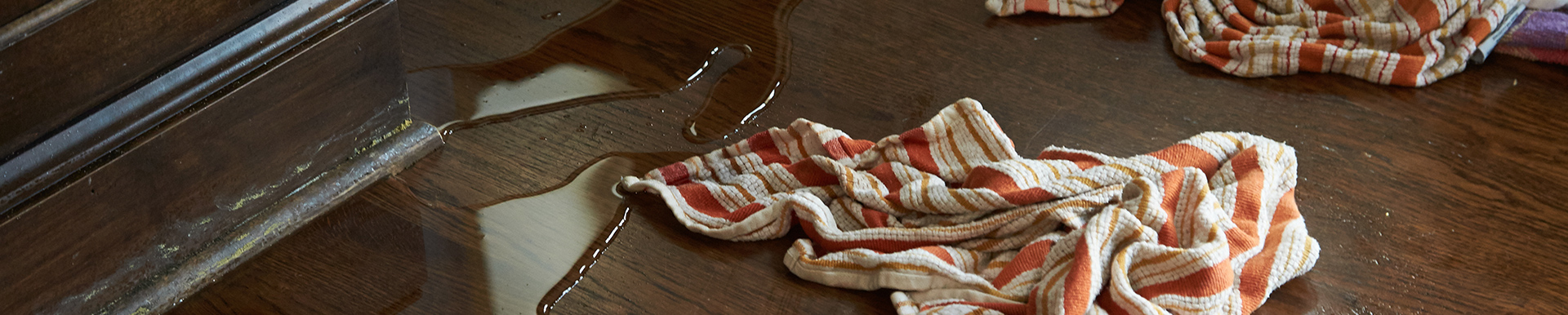
A flooded home can go from a manageable problem to serious property damage quickly. Standing water can spread beneath flooring, inside walls, through insulation, and into other building materials that are difficult to dry without professional equipment.
ServiceMaster by Compass provides professional water damage restoration and flood cleanup services throughout Spokane, Coeur d'Alene, and surrounding communities. Our team responds quickly to remove standing water, locate hidden moisture, dry affected materials, and begin restoring your home.
Whether flooding was caused by heavy rain, snowmelt, plumbing failure, an overflowing appliance, a burst pipe, or another unexpected water loss, fast action can help reduce the extent of the damage.
Flood damage involves more than simply removing visible water. Moisture can remain trapped beneath flooring, behind drywall, in cabinets, around framing, and inside insulation long after the surface appears dry.
Our restoration technicians use professional water extraction, moisture detection, air movement, and dehumidification equipment to locate and remove excess moisture throughout affected areas. This allows us to build a drying plan based on the actual conditions inside your property rather than what can be seen from the surface.
If your flooding involves contaminated water, including a sewage backup, additional cleaning, sanitization, and material removal may be necessary to safely restore the affected area.
Residential flooding can happen for many different reasons. Identifying the source of the water is an important first step because different types of flooding may require different cleanup and restoration procedures.
Spokane's climate creates several opportunities for residential flooding throughout the year. Snow accumulation and rapid snowmelt can increase runoff during late winter and spring, while heavy rain and summer storms can overwhelm drainage systems or allow water to enter basements and lower levels.
Severe weather can also damage roofing, siding, windows, and other exterior components, giving water a pathway into the home. If the water intrusion began after a storm, our weather damage restoration services may also be relevant to your restoration project.
Water continues moving after it enters a home. It can wick through drywall, spread underneath flooring, soak into cabinetry, and reach structural materials that were not directly exposed to the original flooding.
The longer excess moisture remains, the greater the possibility of secondary damage. Flooring can warp, drywall can deteriorate, wood can swell, and insulation can lose its effectiveness. Persistent moisture can also create conditions that support mold growth.
Professional flood restoration focuses on controlling this moisture quickly. Our technicians use water extraction and drying equipment along with moisture monitoring to determine when affected materials have reached appropriate drying goals.
Water extraction is one of the most important early steps after a flood. Removing standing water reduces the amount of moisture that can continue soaking into porous building materials.
Once standing water is removed, drying equipment is positioned throughout affected areas. Air movers encourage evaporation while professional dehumidifiers remove moisture from the air. Technicians continue monitoring moisture levels as the property dries.
Learn more about our complete Spokane water damage mitigation and restoration services.
Your first priority should be safety. Flooding can create electrical hazards, contaminated water conditions, unstable materials, and slippery surfaces.
Once you are safely away from immediate hazards, contact a professional restoration company as quickly as possible. If you plan to make an insurance claim, documenting visible damage can also be helpful before cleanup begins when it is safe to do so.
Insurance coverage for water and flood damage can depend on the source of the water and the terms of your individual policy. Damage caused by a sudden plumbing failure may be handled differently from rising groundwater or outside flooding.
ServiceMaster by Compass works with homeowners, insurance agents, and adjusters throughout the restoration process. Our team can document affected areas and the restoration work being performed. Learn more about working through the insurance restoration process.
Flood cleanup is generally the emergency phase of the process: removing standing water, cleaning affected areas, and beginning structural drying.
Water damage restoration is the broader process of bringing the property back toward its pre-loss condition. It can include water extraction, drying, demolition of unsalvageable materials, cleaning, repairs, reconstruction, and restoration of damaged contents.
Because these steps often overlap, ServiceMaster by Compass can manage the project from initial water damage mitigation through repair and reconstruction.
Flooding creates the moisture conditions mold needs to grow, particularly when water reaches drywall, insulation, carpet, wood, or other porous materials.
Thorough water extraction and structural drying help reduce that risk. When mold is already present, additional mold remediation may be necessary as part of the restoration process.
The timeline depends on the amount of water involved, how far the water traveled, which materials were affected, and whether reconstruction is necessary.
Water extraction may begin immediately, while structural drying often continues over several days. Larger losses involving demolition, extensive contamination, or reconstruction will take longer.
Our restoration team monitors moisture conditions throughout the project so decisions are based on the actual drying progress of your property.
Different water emergencies require different restoration approaches. ServiceMaster by Compass provides specialized services for several common residential water losses.