Contact Us Now
24/7/365 Emergency Service
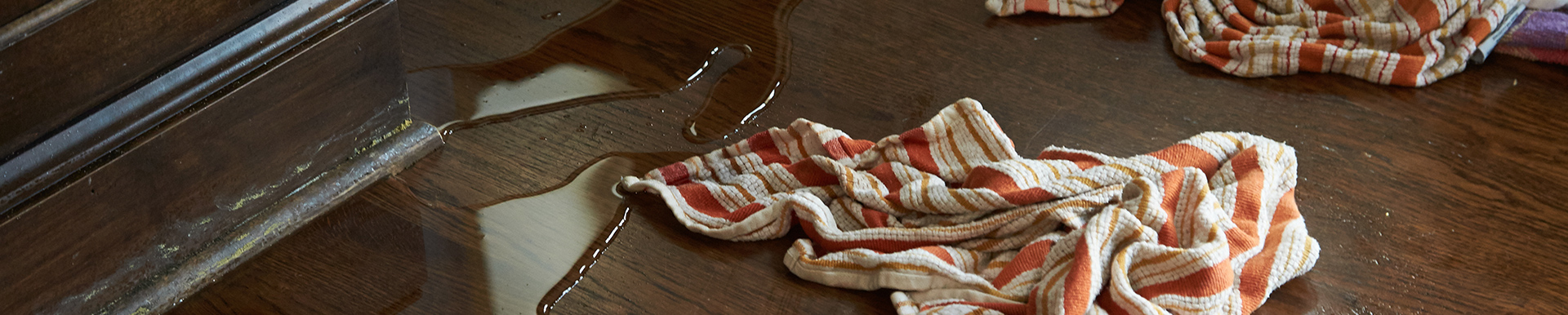
When firefighters extinguish a fire, the water used to protect your home can create a second layer of property damage. Fire hoses, sprinkler systems, and other suppression methods may leave standing water and hidden moisture throughout floors, walls, ceilings, insulation, and structural materials.
ServiceMaster by Compass provides professional water damage restoration for homes affected by firefighting and fire suppression. Our team can address the water damage while coordinating the broader restoration needs created by smoke, soot, heat, and fire damage.
Because fire and water damage often overlap, restoration should address both problems together rather than treating them as separate events.
Water damage after a fire is common because extinguishing flames often requires large amounts of water. Even a relatively small fire can result in significant water intrusion if suppression efforts continue for an extended period.
Water can enter areas that were never directly touched by flames. It may move through flooring, travel between levels, collect in wall cavities, and saturate insulation or other porous materials.
Fire sprinkler systems can also discharge large volumes of water. If a sprinkler line fails or continues running after the fire is controlled, the resulting damage may require the same kind of professional extraction and drying used after other types of residential flooding.
Fire hoses can release a tremendous amount of water in a short period of time. That water may spread well beyond the area where the fire occurred, especially in multi-level homes.
Automatic sprinkler systems can also create widespread moisture damage. Water may soak ceilings, flooring, walls, furniture, and personal belongings before the system is shut off.
Fast water extraction and structural drying can help reduce secondary damage and prevent moisture from remaining trapped inside the building.
One of the challenges after a fire is that visible fire damage and water damage do not always occur in the same places. Water can travel downward through ceilings and floors, seep underneath walls, and collect in areas that appear unaffected at first.
That makes professional moisture detection especially important. Surface materials may look dry while moisture remains inside wall cavities or beneath flooring.
Our technicians use moisture-reading equipment to help locate hidden water and monitor drying progress throughout the restoration process.
After the fire is extinguished, water can continue damaging the structure. Drywall can weaken, wood can swell, flooring can warp, and insulation can remain saturated.
Persistent moisture can also create conditions that support mold growth, making rapid water removal and drying an important part of the recovery process.
Professional drying helps reduce the amount of time moisture stays inside structural materials and provides a clearer picture of which areas can be restored and which may need replacement.
A fire can leave behind several different types of damage at the same time. Burned materials may need removal, smoke and soot may affect surfaces throughout the home, and water used during firefighting may saturate areas far from the original fire.
ServiceMaster by Compass can coordinate fire and smoke damage restoration with water extraction, drying, cleaning, and reconstruction.
Treating the loss as one restoration project can help keep the work organized and prevent water-related issues from being overlooked while attention is focused on visible fire damage.
If the water loss is related to a broken plumbing line rather than suppression efforts, learn more about our burst pipe damage restoration services.
Your first priority should be following the instructions of the fire department and other emergency personnel. Do not re-enter the property until authorities have determined that it is safe.
Once access is permitted, contacting a professional restoration company quickly can help begin the process of water removal, drying, smoke cleanup, and damage assessment.
Fire losses often involve multiple categories of damage, including fire, smoke, soot, water, and structural repairs. Documenting the condition of the property and the work being performed can be an important part of the insurance process.
ServiceMaster by Compass works with homeowners, insurance agents, and adjusters throughout restoration. Our team can document affected areas and provide information about mitigation and repair work. Learn more about the insurance restoration process.
Yes. Any significant amount of moisture can create conditions that support mold growth if affected materials remain wet.
Fire suppression water may soak drywall, insulation, wood, flooring, and other porous materials. Prompt extraction, dehumidification, and structural drying help reduce the amount of moisture that remains inside the property.
If mold is discovered during restoration, professional mold remediation may be needed.
The timeline depends on the size of the fire, the amount of water used, the areas affected, and how much reconstruction is needed.
Water extraction and drying can often begin immediately after the property is released for restoration work. Smoke cleaning, demolition, content restoration, and reconstruction may take additional time depending on the severity of the loss.
Our team monitors drying conditions and coordinates the different phases of restoration based on the needs of the property.
ServiceMaster by Compass provides restoration for many types of residential water losses throughout Spokane and Coeur d'Alene.