
Commercial Mold Remediation FAQs
Get answers to common questions about commercial mold growth, removal, and remediation.
Mold is a microscopic fungus that is part of the natural environment and plays an important role in breaking down organic matter. While mold is normal outdoors, excessive indoor mold growth can create unsanitary conditions and damage building materials.<br><br>Mold reproduces by releasing microscopic spores that travel through the air both indoors and outdoors.
Mold can damage building materials and furnishings if it is allowed to grow unchecked. Over time, untreated mold may contribute to costly repairs and reduce the value of a commercial property.<br><br>Mold exposure may also irritate the eyes, nose, skin, and respiratory system, particularly for people with allergies, asthma, or other sensitivities.
Mold needs moisture, temperatures above freezing, and an organic food source. Common food sources include wood, paper, drywall, dust, dirt, and other building materials.<br><br>Mold is more likely to develop in damp areas, spaces with limited airflow, and locations affected by leaks, flooding, or persistent humidity.
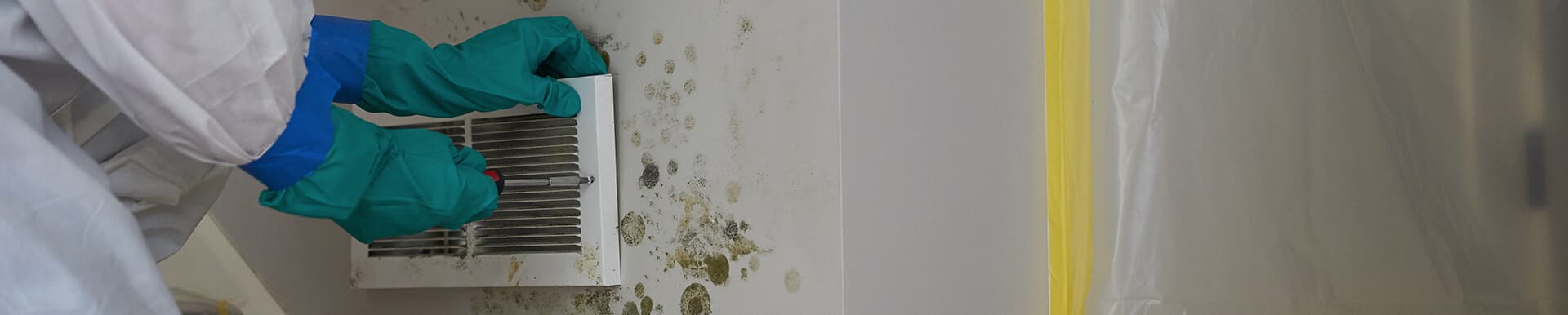
Visible growth, water stains, discoloration, and musty odors may indicate a mold problem. You should also inspect areas where leaks or moisture intrusion have occurred, including roofs, pipes, ceilings, walls, basements, and HVAC systems.<br><br>Professional testing may help evaluate suspected microbial growth when the source or extent of the problem is unclear.
Professional remediation is recommended when mold growth is extensive, hidden inside building materials, caused by contaminated water, or likely to spread during removal.<br><br>Trained remediation professionals use containment, filtration, removal, and cleaning procedures designed to reduce the risk of spreading mold spores into unaffected areas.
Terms such as “toxic mold” and “black mold” are often used to describe certain types of mold, but identifying the exact species does not usually change the immediate response. Visible mold and the moisture source supporting its growth should be addressed regardless of the mold type.<br><br><em>Source:</em> <a class="underline-link" href="https://www.cdc.gov/mold-health/about/index.html" target="_blank" rel="noopener noreferrer">CDC — Mold</a>.
Contact us today to learn more about our commercial mold remediation services. (509) 535-5440